About Puja
Maha Shivratri is not merely a festival; it is a sacred night of deep spiritual stillness, devotion, and divine alignment. It is believed to be the night when Shiva and Shakti unite, representing balance, harmony, and the eternal flow of cosmic energy. On this auspicious occasion, performing Rudra Abhishek along with Shiva–Parvati Mahapuja is considered one of the most meaningful ways to express devotion and surrender.
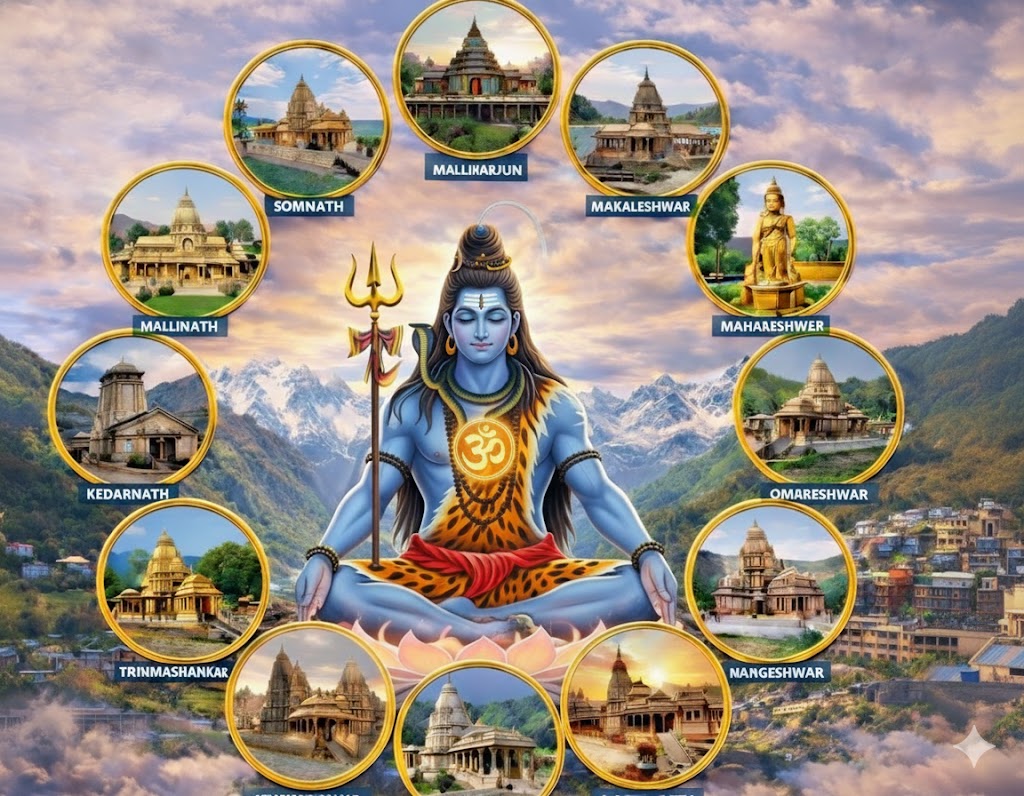
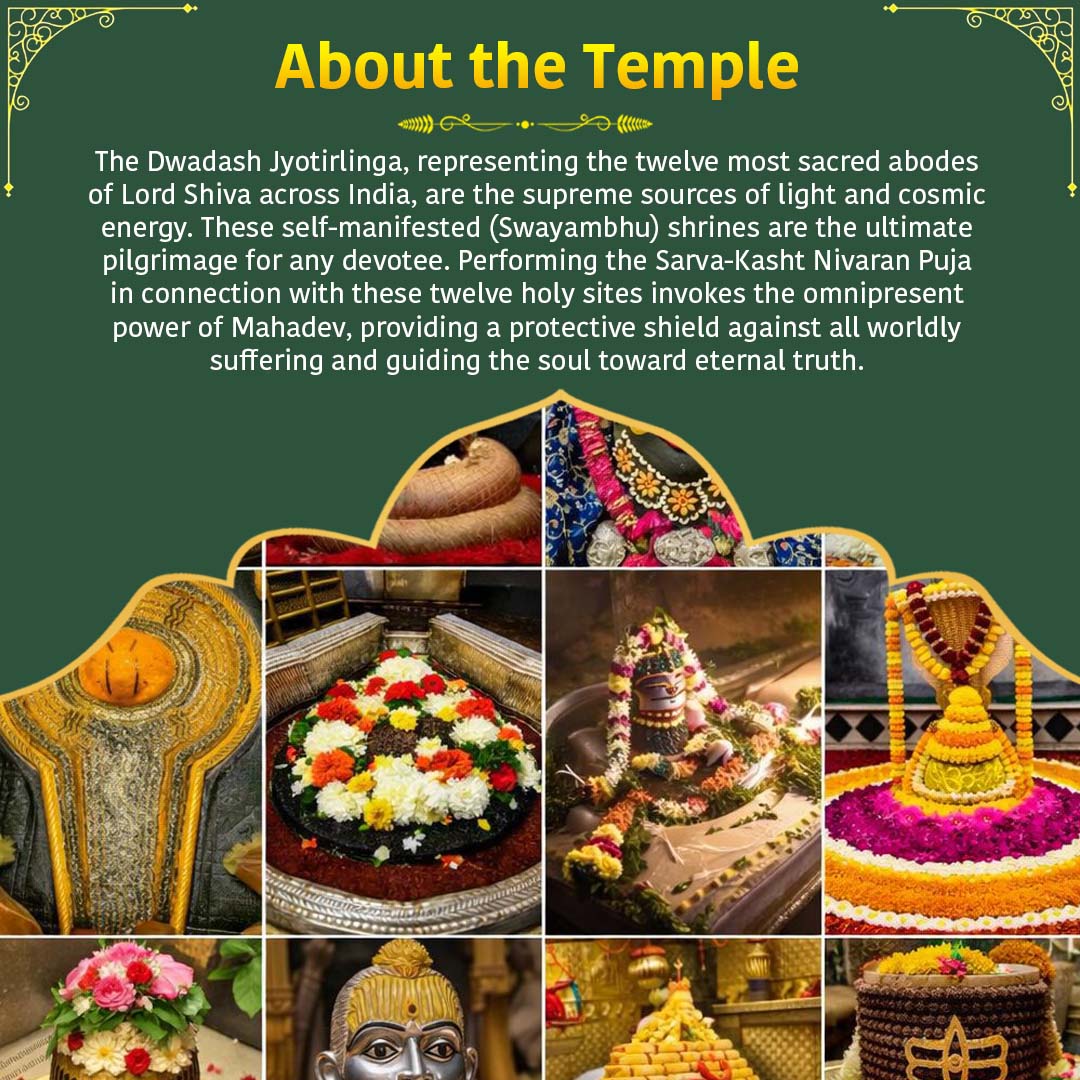
This Mahashivratri Special puja is spiritually associated with the collective sanctity of Dwadash Jyotirlinga Tirth Kshetra, bringing together the devotional essence of all twelve revered pilgrimage traditions into a single sankalp. Rather than focusing on physical presence, this puja draws upon the shared spiritual consciousness, faith, and age-old reverence connected with these sacred Tirth Kshetra, allowing devotees to experience a sense of completeness and unity.
Each Jyotirlinga Tirth Kshetra holds a unique spiritual vibration that devotees have revered for centuries. When these sacred energies are remembered and invoked together on the night of Mahashivratri, the puja becomes a deeply immersive spiritual experience. It is believed that such collective remembrance strengthens inner peace, nurtures emotional balance, and creates an atmosphere of divine protection and positivity around the devotee and their family.
Rudra Abhishek, performed with devotion, sacred offerings, and Vedic chants, is known to calm turbulent energies and invoke grace. When accompanied by Shiva–Parvati Mahapuja, the ritual reflects harmony, companionship, and the compassionate aspect of divine power. This combination makes the puja especially meaningful for those seeking stability in relationships, emotional comfort, and a sense of spiritual grounding.
Mahashivratri is considered the most receptive time to place one’s sankalp before Lord Shiva. It is believed that prayers offered on this night carry deeper resonance, as the divine consciousness is closest to human awareness. By connecting the puja with all twelve Jyotirlinga Tirth Kshetra collectively, devotees symbolically offer their prayers across multiple sacred traditions through one unified act of devotion.
This puja is ideal for devotees who wish to observe Mahashivratri with sincerity and depth, even if they are unable to travel to multiple pilgrimage destinations. The focus remains on bhakti, shraddha, and spiritual intent, rather than physical location. Through this sacred observance, devotees participate in a timeless tradition that honours faith, balance, and divine grace.
Participating in this Mahashivratri puja associated with Dwadash Jyotirlinga Tirth Kshetra is an invitation to experience inner stillness, devotion, and spiritual fulfilment — making the holy night of Mahashivratri truly meaningful and uplifting.
About Temple
1. Somnath Jyotirlinga Tirth Kshetra
Somnath Jyotirlinga Tirth Kshetra is revered as a symbol of faith, resilience, and unwavering devotion. For centuries, this sacred pilgrimage tradition has represented spiritual strength and renewal. Devotees associate this Tirth Kshetra with inner stability, courage, and deep-rooted Shiva bhakti, making it a powerful spiritual inspiration within the collective Jyotirlinga tradition.
2. Mallikarjun Jyotirlinga Tirth Kshetra
Mallikarjun Jyotirlinga Tirth Kshetra is known for its spiritual association with devotion, austerity, and balance. Surrounded by natural serenity, this pilgrimage tradition reflects the harmonious presence of Shiva–Shakti energies. The spiritual essence of this Tirth Kshetra is believed to encourage discipline, emotional steadiness, and a deeper connection with divine consciousness.
3. Mahakaleshwar Jyotirlinga Tirth Kshetra
Mahakaleshwar Jyotirlinga Tirth Kshetra holds strong spiritual symbolism related to time, transformation, and inner awareness. This sacred tradition is associated with overcoming fear, instability, and restlessness. Devotees believe the spiritual vibration of this Tirth Kshetra supports courage, clarity, and acceptance of life’s natural cycles.
4. Omkareshwar Jyotirlinga Tirth Kshetra
Omkareshwar Jyotirlinga Tirth Kshetra is spiritually connected with flow, harmony, and inner peace. Situated within a revered pilgrimage tradition, it represents balance between devotion and awareness. The spiritual significance of this Tirth Kshetra is believed to calm the mind, strengthen faith, and encourage alignment between thoughts, actions, and spiritual intent.
5. Kedarnath Jyotirlinga Tirth Kshetra
Kedarnath Jyotirlinga Tirth Kshetra symbolises endurance, surrender, and spiritual purity. This sacred pilgrimage tradition is deeply associated with devotion, simplicity, and inner strength. The spiritual essence of this Tirth Kshetra is believed to inspire humility, resilience, and a profound sense of connection with higher consciousness.
6. Bhimashankar Jyotirlinga Tirth Kshetra
Bhimashankar Jyotirlinga Tirth Kshetra is associated with protection, strength, and spiritual determination. Rooted in ancient pilgrimage traditions, it reflects courage and perseverance. Devotees connect this Tirth Kshetra with inner confidence, emotional grounding, and the ability to face challenges with faith and spiritual support.
7. Kashi Vishwanath Jyotirlinga Tirth Kshetra
Kashi Vishwanath Jyotirlinga Tirth Kshetra is spiritually linked with continuity, awareness, and liberation-focused devotion. This sacred pilgrimage tradition represents the eternal nature of spiritual truth. The Tirth Kshetra’s essence is believed to encourage reflection, inner peace, and a deeper understanding of life’s spiritual purpose.
8. Trimbakeshwar Jyotirlinga Tirth Kshetra
Trimbakeshwar Jyotirlinga Tirth Kshetra is associated with purity, renewal, and disciplined devotion. This pilgrimage tradition is spiritually connected with cleansing negative influences and strengthening resolve. Devotees believe the Tirth Kshetra supports spiritual clarity, balance, and mindful alignment with righteous intentions.
9. Vaidyanath Jyotirlinga Tirth Kshetra
Vaidyanath Jyotirlinga Tirth Kshetra is revered for its association with compassion, care, and protective spiritual energy. Rooted in devotional tradition, this Tirth Kshetra symbolises trust, faith, and reassurance. Devotees associate its spiritual influence with emotional comfort, confidence, and holistic well-being.
10. Nageshwar Jyotirlinga Tirth Kshetra
Nageshwar Jyotirlinga Tirth Kshetra represents protection, fearlessness, and spiritual strength. This sacred pilgrimage tradition is believed to inspire confidence and inner security. The spiritual essence of this Tirth Kshetra encourages courage, stability, and a sense of divine safeguarding in life’s journey.
11. Rameshwaram Jyotirlinga Tirth Kshetra
Rameshwaram Jyotirlinga Tirth Kshetra is associated with devotion, surrender, and spiritual purification. This pilgrimage tradition symbolises discipline and faith expressed through sacred rituals. Devotees believe the Tirth Kshetra supports emotional cleansing, calmness, and a deep sense of spiritual peace.
12. Grishneshwar Jyotirlinga Tirth Kshetra
Grishneshwar Jyotirlinga Tirth Kshetra reflects simplicity, humility, and sincere devotion. This sacred pilgrimage tradition emphasises heartfelt faith over grandeur. The spiritual energy associated with this Tirth Kshetra is believed to nurture contentment, balance, and a grounded connection with Shiva bhakti.

 Individual puja; sankalp is done in one devotee’s name and gotra.









 Chat
Chat